
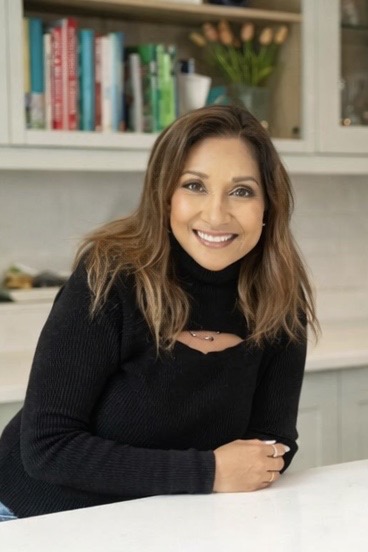
Counsellor Profile
I work with children and adults who’ve lived through difficult or overwhelming experiences, offering them a steady, grounded space where they can move at a pace that feels safe. Many of the clients who come to me are navigating the impact of trauma, anxiety, family changes, identity questions, or a sense of carrying more than they know how to hold. They’re often looking for someone who won’t rush them, who can sit with the messy parts without judgment, and who can help them make sense of feelings that may have felt too big or too confusing to name. I bring authenticity and honesty into the room, I don’t pretend to be someone I’m not, and I don’t hide behind jargon or formality. Clients often tell me they feel safe with me and find it easy to open up and able to understand their struggles without minimising them. My personal growth and professional learning work hand in hand, allowing me to support others with compassion, clarity, and a deep respect for their pace and experience.
Clients usually describe feeling calmer, understood, and more in control when we work together. My way of working is warm, steady, and gently structured, giving them a clear sense of safety while still allowing them to lead the pace and direction of our sessions. I pay close attention to the emotional tone in the room and the small shifts in body language that show how someone is really feeling. When things feel overwhelming, I slow the pace, offer grounding or regulation tools, and help them settle. When moments of courage or clarity appear, I make space to notice and honour them. This balance of steadiness, sensitivity, and responsiveness helps clients feel held, supported, and more in control of their own process. What makes my approach supportive and safe is the combination of trauma-informed practice and genuine relational care. I focus on building trust gradually, using clear boundaries, predictable sessions, and creative tools that help clients express themselves without pressure. My aim is always to create a space where they feel seen, believed, and empowered to explore their story in a way that strengthens their sense of safety and self.
I recognise that emotional experiences often show up physically; tight chests, stomach knots, restlessness, numbness, or difficulty concentrating. For clients who’ve been through tough or traumatic events, their bodies often react before their words can. Because of this, I see the mind and body as deeply connected, each influencing the other. A holistic approach helps people understand their feelings in a fuller, gentler way. It allows them to notice what safety, stress, or overwhelm feels like in their bodies, and to build awareness and regulation skills that support emotional healing. This is especially important in trauma‑informed work, where the body often holds memories and reactions that the mind hasn’t yet processed.
In the first session, we spend time getting to know what has brought the client to therapy and how they’ve been feeling recently. I gently explore what they hope to get from our work together and what would help them feel safe and supported in sessions. It’s a calm conversation at their pace not a test.
TBA
• Level 4 Diploma – Therapeutic Counselling (CPCAB) • Level 3 Diploma – Therapeutic Studies (CPCAB) • Level 2 Certificate – Counselling Skills (CPCAB) • Person-centred creative arts course • Learned helplessness and shame • Zoe Lodrick workshop - Understanding and working therapeutically with survivors of sexualised trauma + with interpersonal psychological trauma • Mental Health and personality disorders • Attachment theory • EDMR
Long-term sessions, Long-term face-to-face work, Online therapy, Short-term sessions, Short-term face-to-face work, Time-limited
Adults, Older adults, Young people
Counsellor